

Tipps für Touristen beim Auto mieten in Deutschland
Inhaltsverzeichnis
- Merită să închiriați o mașină în Germania?
- Condiții pentru închirierea auto în Germania (auto mieten voraussetzungen)
- Cât costă închirierea unei mașini în Germania?
- Asigurarea la închirierea auto – ce trebuie să știți
- Cum să rezervați avantajos o mașină în Germania
- Sfaturi utile înainte și în timpul călătoriei
- Deplasarea în alte țări cu mașina închiriată
- Ce trebuie să faceți în caz de accident sau defecțiune
- Häufig gestellte Fragen (FAQ)
Plănuiți o călătorie și doriți să vă bucurați la maximum de fiecare experiență? Libertatea de a vă alege propriul traseu, accesul confortabil la orășele pitorești, castele ascunse și lacurile din Bavaria – toate acestea devin posibile când aveți o mașină la dispoziție. Este o alternativă excelentă la trenurile scumpe și nu întotdeauna punctuale.
Serviciul nostru de închirieri auto și carsharing Getmancar a pregătit pentru dumneavoastră acest ghid detaliat. Aici veți găsi tot ce trebuie să știți înainte de a face o rezervare: de la documentele necesare până la detaliile asigurării, astfel încât închirierea auto în Germania să decurgă perfect și în siguranță.
Merită să închiriați o mașină în Germania?
Decizia de a închiria un vehicul depinde în mare măsură de itinerarul dumneavoastră. O mașină este categoric mai avantajoasă decât transportul public dacă plănuiți să ieșiți din marile metropole, călătoriți cu familia și copii mici sau apreciați flexibilitatea, fără a depinde de mersul trenurilor. Propriul mijloc de transport vă permite să explorați cu ușurință Drumul Romantic, Valea Rinului sau regiunile muntoase din Pădurea Neagră.
Totuși, dacă scopul dumneavoastră este o vizită scurtă doar în Berlin, München sau Frankfurt, este mai bine să renunțați la ideea unei mașini de închiriat. În centrele metropolelor vă așteaptă parcări scumpe, zone ecologice stricte și blocaje în trafic frecvente. O alternativă excelentă pentru deplasările scurte prin oraș sau transferul la hotel este carsharing-ul în Germania, care vă permite să închiriați vehicule la minut din locații convenabile, fără a plăti în plus pentru timpul în care mașina stă degeaba în parcare.


Condiții pentru închirierea auto în Germania (auto mieten voraussetzungen)
Pentru a primi cheile vehiculului dorit, trebuie să pregătiți un set de documente și să îndepliniți anumite condiții financiare. Printre principalele auto mieten voraussetzungen se numără prezentarea documentelor în original – copiile digitale ale permisului de conducere sau ale pașaportului nu sunt acceptate la companiile de închirieri din Europa.
- Permis de conducere: Originalul valabil în format fizic (plastic).
- Act de identitate: Pașaport cu ștampila de intrare în țară sau viză.
- Card bancar: Un card de credit sau un card de debit personalizat, emis obligatoriu pe numele șoferului principal.
La semnarea contractului, pe cardul dumneavoastră va fi blocată o garanție (depozit). Suma standard reținută variază între 250 și 400 de euro, dar pentru clasa premium poate ajunge și la 1000 de euro. Permisul Internațional de Conducere (PIC) nu este o cerință strictă prin lege, dar multe companii îl solicită. Dacă permisul dumneavoastră nu are datele scrise cu caractere latine, PIC este obligatoriu. Permisele străine din țări non-UE sunt valabile pe teritoriul țării timp de 6 luni de la data intrării.
De la ce vârstă poți închiria o mașină?
Deși legea germană vă permite să conduceți de la 18 ani, politicile interne ale companiilor de închirieri sunt adesea mult mai stricte. Vârsta minimă acceptată depinde direct de clasa vehiculului ales.
| Vârsta șoferului | Condiții și restricții financiare |
|---|---|
Sub 21 de ani | În general, închirierea nu este posibilă. Nu veți primi o mașină nici măcar contra cost. |
21–24 de ani | Sunt disponibile mașini din clasa compactă, standard și SUV-uri mici. Se percepe o „taxă pentru șoferi tineri". |
25+ ani | Sunt disponibile absolut toate clasele auto la tarifele de bază, fără suprataxe de vârstă. |
De exemplu, o mașină în München pentru un weekend, cu un pachet complet de asigurări pentru un șofer de 23 de ani, va costa aproximativ 96 de euro, în timp ce un șofer cu experiență de peste 26 de ani va putea rezerva aceeași opțiune pentru doar 66 de euro.
Se poate închiria o mașină cu permis străin?
Permisele de conducere emise de țări din afara UE (SUA, Canada, Ucraina și altele) sunt recunoscute ca fiind valabile pe teritoriul Germaniei timp de 6 luni de la momentul trecerii graniței. Dacă plănuiți să rămâneți mai mult, va trebui să obțineți un permis de conducere german.
Dacă permisul dumneavoastră nu are o traducere în caractere latine, acesta trebuie prezentat împreună cu un Permis Internațional de Conducere (PIC). Puteți obține un PIC în țara de origine: în SUA de la asociația AAA (aproximativ 15–20 $), în Canada de la CAA, iar în Ucraina de la centrele de servicii ale Ministerului Afacerilor Interne.
Procesul de închiriere auto în Germania pentru ucraineni este astăzi extrem de simplificat: este suficient să aveți permisul național de tip card de plastic și un pașaport valabil. Totuși, prezența unui PIC va face pachetul de documente impecabil. O notă specială pentru cetățenii americani: permisele de conducere americane pe suport de plastic sunt acceptate aproape peste tot, dar companiile de închirieri solicită adesea PIC ca o confirmare suplimentară, așa că este mai bine să îl obțineți de la AAA înainte de plecare.
Cât costă închirierea unei mașini în Germania?
Când vă planificați bugetul de călătorie, rețineți că tarifele de închiriere auto sunt dinamice. Costul final depinde de clasa mașinii, de sezonul turistic, de locația de ridicare a vehiculului și de momentul rezervării.
| Clasa mașinii | Preț mediu pe zi | Cost pe săptămână |
|---|---|---|
Mini / Economic | de la 10–15 € | de la 70 € |
Clasa Compactă | 19–27 € | de la 130 € |
Standard / SUV | 30–50 € | de la 200 € |
Minivan (5–7 locuri) | de la 50 € | de la 300 € |
Autorulotă / Camper | de la 80 € | de la 550 € |
Tariful de bază afișat pe site nu reprezintă întotdeauna nota de plată finală. Fiți atenți la taxe care adesea nu sunt incluse în prețul afișat, precum TVA (19%), taxa de aeroport (dacă ridicați vehiculul direct de la aeroportul din Frankfurt sau de la un alt hub major) și taxa de înregistrare. În total, acestea pot adăuga până la 25% la prețul de bază.
În plus, verificați întotdeauna numărul de kilometri incluși în tarif – costul per kilometru suplimentar poate varia considerabil de la un furnizor la altul. Unii călători compară și prețurile oferite de persoane fizice care își închiriază mașina, însă companiile profesioniste oferă mai multă siguranță, asistență rutieră și condiții clare. Pentru a economisi, căutați tarife speciale de weekend: de obicei, acestea sunt valabile de vineri de la ora 12:00 până luni la ora 12:00.
Asigurarea la închirierea auto – ce trebuie să știți
Asigurarea este un aspect cheie pentru siguranța și liniștea dumneavoastră financiară pe autostrăzi. În mod prestabilit, prețul include protecția împotriva daunelor provocate terților (RCA), precum și o asigurare CASCO parțială sau totală (Teilkasko/Vollkasko) și asigurare antifurt.
Cu toate acestea, asigurarea CASCO standard nu acoperă daunele aduse parbrizului, oglinzilor, șasiului și anvelopelor – pentru acestea va fi necesară o plată suplimentară. În plus, asigurarea de bază presupune existența unei francize (suma pe care sunteți obligat să o plătiți din propriul buzunar în caz de accident).
Se recomandă insistent să reduceți franciza la 0 € (alegeți opțiunea „închiriere fără franciză" sau Selbstbeteiligungsausschluss). Este mai bine să faceți acest lucru în etapa de rezervare online, deoarece achiziționarea serviciului la ghișeul agenției va fi semnificativ mai scumpă. De asemenea, înainte de călătorie, verificați condițiile cardului dumneavoastră bancar – cardurile de credit premium acoperă adesea asigurarea pentru mașinile închiriate.
Cum să rezervați avantajos o mașină în Germania
Secretul prețurilor mici stă în planificarea din timp. Încercați să rezervați vehiculul cu cel puțin 14 zile înainte de călătorie – tarifele online vor fi substanțial mai mici decât dacă vă prezentați direct la ghișeu în ziua sosirii.
Un truc util: majoritatea companiilor oferă anulare gratuită cu 24 de ore înainte. Rezervați mașina din timp, iar pe măsură ce se apropie datele călătoriei, verificați din nou prețurile. Dacă tariful a scăzut, pur și simplu anulați vechea rezervare și faceți una nouă, mai ieftină.
Este convenabil să căutați opțiuni avantajoase prin marii agregatori: rentalcars.com, mietwagen-check.de sau billiger-mietwagen.de. Pe piață domină companii de închirieri auto de încredere: Hertz, Sixt, Europcar, Enterprise și Buchbinder. Abonați-vă la rețelele lor de socializare pentru a primi coduri promoționale. Alternativ, puteți utiliza oricând serviciul Getmancar, care oferă o platformă de rezervare prietenoasă și condiții perfect transparente.
Sfaturi utile înainte și în timpul călătoriei
Pentru ca închirierea auto să nu vă aducă surprize neplăcute, merită să studiați din timp specificul local și regulile de circulație. Mulți turiști sunt curioși cum se numește o mașină de închiriat în limba germană – termenul corect și cel mai răspândit este „Mietwagen".
- Navigație: Dacă închiriați un sistem de navigație GPS (disponibil contra cost), rugați agentul să schimbe limba interfeței într-una pe care o înțelegeți, înainte de a părăsi parcarea.
- Inspecția auto: Inspectați cu atenție caroseria la preluare. Asigurați-vă că notați în contract toate zgârieturile, îndoiturile și ciobiturile.
- Scaune pentru copii: Închirierea unui scaun pentru copii costă 10–15 € pe zi. Este mult mai avantajos să vă aduceți propriul scaun auto de acasă, deoarece companiile aeriene le transportă de obicei gratuit.
- Al doilea șofer: Dacă plănuiți să conduceți cu rândul, verificați costul pentru adăugarea unui al doilea șofer – uneori este gratuit, alteori necesită o plată suplimentară.
- Perioada de iarnă: Dacă plănuiți călătorii pe drumuri de munte sau serpentine iarna, întrebați compania de închirieri dacă mașina este echipată cu anvelope de iarnă.
Deplasarea în alte țări cu mașina închiriată
Poziția excelentă a Germaniei în centrul continentului o transformă în punctul de plecare perfect pentru un city break european. Condițiile de închiriere auto în Europa vă permit să treceți granițele în interiorul UE fără probleme, totuși aveți obligația de a notifica în prealabil compania de închirieri cu privire la traseul dumneavoastră.
Companii precum Sixt și Europcar permit de obicei ieșirea liberă în majoritatea țărilor UE fără costuri suplimentare. Pe de altă parte, Enterprise percepe o taxă de aproximativ +5 € pe zi, iar Buchbinder – circa 20 € pentru întreaga perioadă. Dacă traseul dumneavoastră include țări din Europa de Est (Polonia, Cehia), se poate aplica o suprataxă de la 20% la 30%, sau chiar o interdicție totală de intrare. De asemenea, rețineți că returnarea mașinii într-un alt oraș (de exemplu, ați ridicat mașina în Berlin și o returnați în Köln) este întotdeauna supusă unui comision substanțial.
Ce trebuie să faceți în caz de accident sau defecțiune
Situațiile pe drum pot fi diverse – important este să nu intrați în panică. Salvați în telefonul dumneavoastră aceste numere de urgență:
- 110 – Poliția
- 112 – Ambulanță și pompieri
Listă de verificare în caz de accident:
- Chemați poliția: Dacă a avut loc un accident în care a fost implicată o altă mașină, acest lucru este strict obligatoriu pentru constatarea oficială a cazului de asigurare.
- Faceți fotografii: În cazul unor daune minore (de exemplu, ați atins un stâlp în parcare), fotografiați în detaliu zona afectată și anunțați compania de închirieri la returnarea mașinii.
- Depuneți o plângere online: Dacă mașina v-a fost avariată în parcare, iar vinovatul a fugit de la fața locului, completați o declarație electronică la poliția germană.
- Păstrați toate documentele: Colectați cu grijă chitanțele, rapoartele de poliție și contractele de închiriere – companiile de asigurări acceptă fără probleme copii scanate ale acestora pentru plata despăgubirilor.
Sunteți gata pentru o călătorie de neuitat în Europa? Rezervați un vehicul de încredere prin serviciul Getmancar. Vă oferim o căutare intuitivă, tarife avantajoase fără taxe ascunse și suport clienți pe limba dumneavoastră. Alegeți mașina perfectă pentru traseul dumneavoastră chiar acum!


Ähnliche Artikel

Cambio Carsharing in Deutschland
Entdecken Sie Cambio Carsharing in Deutschland. Günstige Tarife, Versicherung inklusive und Autos in ganz Europa. Perfekt für seltene und häufige Nutzung.
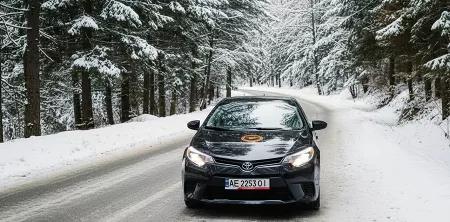
Warum man im Winter ein Auto mieten sollte
Warum Sie im Winter ein Auto mieten sollten – Komfort, Verkehrssicherheit, Winterreifen und Routenfreiheit. Tipps von Getmancar für Ihre Winterreise!

Tagesausflug von Tiflis nach Kazbegi – Herz des Kaukasus
Mach einen Tagestrip von Tiflis nach Kazbegi über die Georgische Heerstraße. Besuche die Dreifaltigkeitskirche von Gergeti, die Festung Ananuri und den Devdoraki-Gletscher