

Why Renting a Car in Winter Makes Sense
Article content
Winter driving demands more from your vehicle, making car rental for winter an ideal solution for comfortable travel. When you rent a car in winter, you get a professionally maintained vehicle equipped with winter tires, without worrying about servicing or repairs. It's freedom of movement, reliability on snowy roads, and the flexibility to choose the right vehicle class for mountain routes or city driving. Winter mobility isn't a luxury – it's essential for safe and comfortable travel.
Top 5 Advantages of Renting a Car in Winter
Winter conditions require maximum reliability and proper vehicle preparation. The advantages of renting a car in winter go beyond cost savings – they guarantee road safety. Rental vehicles undergo thorough pre-season preparation, including checks of the braking system, battery, heating, and other critical components. Let's explore the key reasons why renting a car in winter beats using your own vehicle or relying on public transportation.
1. Winter Tires and Technical Readiness
When you rent a car with winter tires, you're guaranteed safety on slippery roads. Every vehicle in our fleet comes equipped with quality winter tires featuring sufficient tread depth (minimum 4mm), ensuring reliable grip even in challenging weather conditions. Technical preparation includes checking antifreeze, battery, braking system, and lighting.
Before each season, our vehicles undergo comprehensive diagnostics. We inspect the cabin heating system, windshield wipers, washer fluid levels, and all technical fluids. We pay special attention to batteries since cold weather reduces their capacity by 30-40%, potentially causing engine start issues.
This means you receive a fully prepared vehicle that won't let you down at a critical moment on the highway or in mountainous terrain. Each vehicle completes a test drive after servicing to verify all systems function properly under real-world conditions.
2. Savings on Vehicle Maintenance
Operating your own car in winter comes with significant expenses. You need to buy winter tires (from ₴8,000), complete pre-season preparation (from ₴2,000), and replace fluids and consumables. When you rent a car without a deposit in winter, you avoid these costs since the rental company handles all maintenance expenses.
Additionally, winter operation accelerates vehicle wear due to aggressive road chemicals, low temperatures, and harsh driving conditions. With a rental, these concerns disappear. The rent of a car in winter price justifies itself when compared to storing winter tires, seasonal maintenance costs, and the risk of serious breakdowns during cold months.
3. Freedom Without Transportation Dependency
Public transportation often runs irregularly in winter due to weather, while taxis become significantly more expensive, especially for long trips. Renting a car means complete travel freedom – you plan your route, departure time, and stops without being tied to schedules.
This proves especially valuable for family trips to winter resorts, business meetings across different cities, or visits to relatives in remote areas. Your own vehicle lets you transport luggage, sports equipment, or shopping without limitations. You have a heated cabin, the ability to stop anywhere for breaks, and confidence in reaching your destination regardless of weather conditions. No waiting for buses in freezing temperatures or searching for taxis after a late-night event.
4. Comfort for Carpathian and Highway Travel
When you rent a car for a trip to the Carpathians in winter, you unlock access to ski resorts, thermal springs, and stunning winter landscapes. Mountain roads demand specially prepared vehicles, and a rental car provides the necessary safety level.
Renting a car for the highway in winter guarantees comfortable travel without stress over vehicle condition. We recommend choosing vehicles with enhanced capability for mountain routes. These cars offer better stability on slippery surfaces, more powerful engines for climbing hills, and spacious cabins for winter gear. Higher ground clearance provides confidence on snow-covered road sections, while all-wheel drive ensures control even on icy switchbacks.
5. Choosing the Right Vehicle Class for Winter Conditions (Crossovers, 4x4)
A key rental advantage is selecting the optimal vehicle class for specific needs. Economy cars work for city trips, spacious sedans or minivans suit families, while crossovers with all-wheel drive excel in the Carpathians. How to choose a car for rent in winter depends on your plans and route.
| Vehicle Class | Recommended For | Winter Advantages |
|---|---|---|
| Economy | City driving | Fuel efficiency, compact size |
| Sedan | Highway routes | Comfort, spacious trunk |
| Crossover | Mountain roads | Capability, high clearance |
| 4x4 | Off-road, Carpathians | All-wheel drive, maximum stability |
| Minivan | Large groups | Space for 6-7 passengers |
Expert tip: For mountain trips, we recommend all-wheel drive crossovers. Even when main roads are cleared, access roads to hotels and lodges may be snow-covered.
Vehicle Inspection Before Pickup: Checklist
Before hitting the road, conduct a thorough inspection with our manager. This protects you from misunderstandings at return and guarantees safety during travel. Document all existing damage in the handover report and photograph the body, interior, and license plates. Mandatory checks:
Tips for Renting a Car in Winter
To make your winter rental as safe and comfortable as possible, follow practical recommendations from experienced drivers. These tips for renting a car in winter help avoid common mistakes and ensure pleasant travel in any weather conditions.
Route planning:
- Always allow extra travel time (up to 30% more than summer)
- Check weather forecasts before departure
- Select primary and alternative routes
- Inform family of your route and arrival time
- Download offline maps in case of connectivity loss
Safe driving:
- Reduce speed by 20-30% compared to summer
- Double the following distance to vehicles ahead
- Avoid sudden maneuvers and braking
- Use headlights even during daytime for better visibility
- Regularly clear snow from windows and mirrors
Trip preparation:
- Dress warmly and bring spare clothing
- Take a thermos with hot beverages and food
- Charge your phone and power bank
- Bring an ice scraper and snow brush
- Keep a blanket or warm throw in the cabin
Important recommendation: Always keep the fuel tank at least half full. This ensures you won't get stranded without fuel and prevents condensation from freezing in the fuel system.
Winter Rental Risks and How to Avoid Them
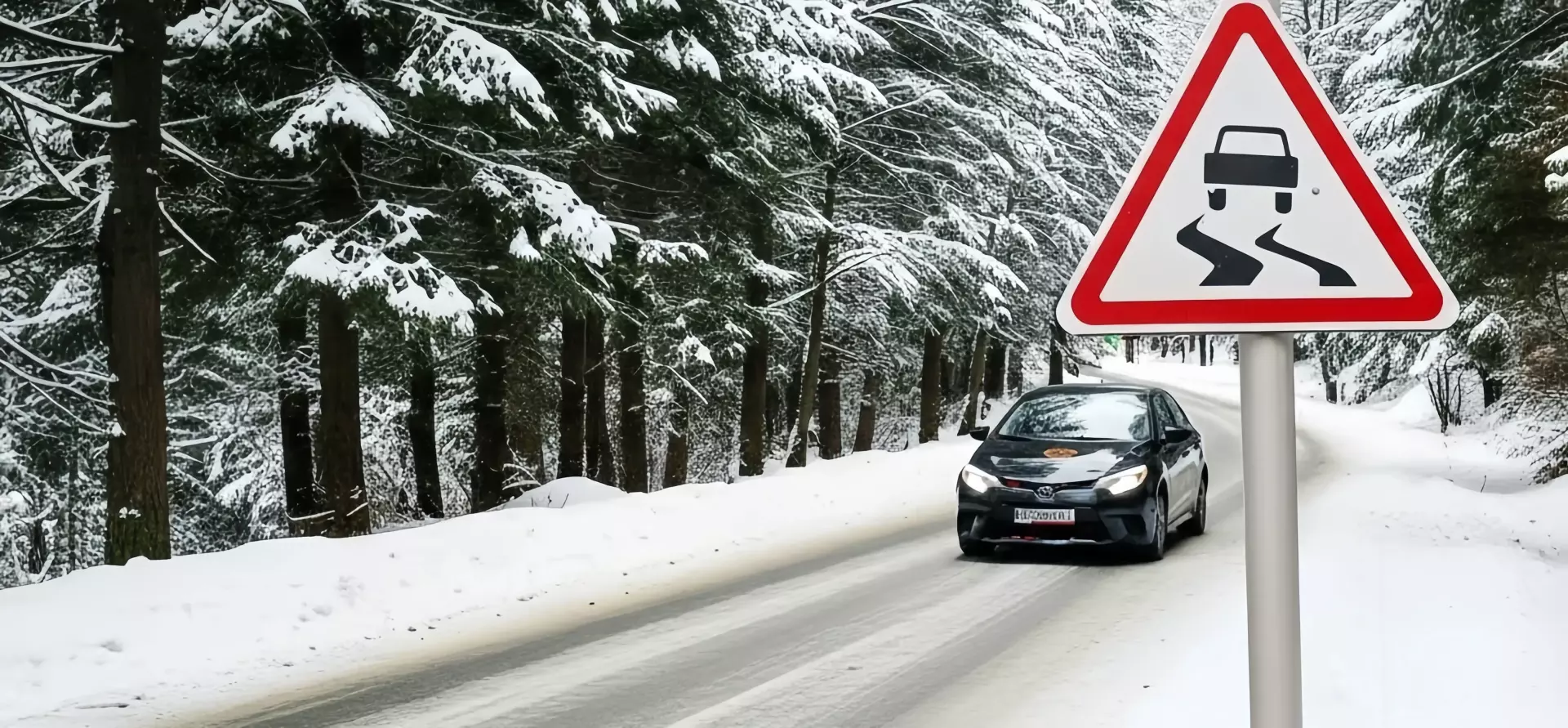
Winter vehicle operation involves heightened risks due to challenging road conditions. Understanding potential problems helps prevent them and avoid additional costs. Common risks include body damage from falling snow or ice, increased tire wear from road chemicals, and battery issues in freezing temperatures.
Common winter renter mistakes:
- Skipping engine warm-up before driving (minimum 3-5 minutes)
- Parking under trees with heavy snow accumulation
- Aggressive starts on slippery roads causing wheelspin
- Insufficient snow removal from the roof before driving
- Declining additional insurance for the winter period
Warning: Damage resulting from improper winter vehicle operation isn't always covered by basic insurance. Always purchase comprehensive coverage and notify us immediately after any incident.
Winter insurance claims most often occur due to reduced visibility and slippery roads. If an accident happens, immediately call the police and our support service. Don't leave the scene before authorities arrive and document everything with photos for the insurance company.
How to Rent a Car in Winter – Step-by-Step Guide
The rental process is streamlined and takes minimal time. We've developed a convenient system that lets you get a vehicle within an hour of booking. Here's how to rent a car in winter:
- Vehicle selection: Visit our website, choose your vehicle class, and check availability for your dates. A manager will help select the optimal option for your needs and budget.
- Online booking: Complete the booking form, specify the rental period, and add options (child seat, GPS, additional driver). You'll receive email confirmation within 15 minutes.
- Document preparation: Gather required documents – passport, driver's license (minimum 2 years' experience), and bank card for payment. Corporate clients need company registration documents.
- Vehicle pickup: Arrive at the office at the agreed time. A manager will provide instructions, process the contract, and hand over keys. Detailed vehicle inspection takes 10-15 minutes.
- Vehicle return: Return the car to the office with a full tank (matching pickup level) and clean interior. We conduct a final inspection together, verify conditions, and close the contract.
For quick processing, we recommend:
- Book your vehicle in advance, especially before holidays
- Prepare documents ahead of time
- Choose a conveniently located office
- Clarify all details by phone before your visit

Similar articles

Cambio Carsharing in Germany
Discover Cambio Carsharing in Germany. Affordable plans, insurance, and access to vehicles across Europe. Ideal for occasional and frequent users.

Traffic Rules in Georgia for Safe Driving
Explore key tips for driving safely in Georgia, including licensing requirements, traffic regulations, and road conditions to ensure a relaxed journey.
Monthly Car Rental vs Situational Car Sharing
Looking for a monthly ride? Deciding on renting or car sharing? Learn what is car sharing vs what is car rental. Compare benefits with Getmancar