

ავტოგაზიარების მოდელები
სტატიის შინაარსი
მანქანის გაზიარების ბაზარი შეიძლება დაიყოს რამდენიმე მოდელად. ეს ნიშნავს, რომ კომპანიას, რომელიც მუშაობს კონკრეტულ რეგიონში, აქვს მანქანის გაზიარების ერთ-ერთი ბიზნეს მოდელი.
დღეს მიღებულია კარშერინგის დაყოფა შემდეგ მოდელებად:
- სტაციონარული (station based)
- თავისუფალი (free floating)
- შერეული (mixed)
სტაციონარული ავტოგაზიარება
ხასიათდება სადგურებით, სადიანაც შეგიძლიათ წაიყვანოთ ან დატოვოთ მანქანა. სადგური უნდა გვესმოდეს, როგორც პარკირების ადგილი ან გამოყოფილი ტერიტორია. როგორც წესი, ეს არის ცალკეული ადგილები ქალაქის საზღვრებში, რომლებიც აღინიშნება ნიშნით (ხშირად P ნიშანი, გაზიარების კომპანიის ნიშნით).
სტაციონარულ გაზიარებას შეიძლება ჰქონდეს თავისი განსხვავებები, მაგალითად:
- შეგიძლიათ აიყვანოთ მანქანა A სადგურიდან და დააბრუნოთ იგი B, C ან A სადგურზე.
- მანქანის აყვანა და დაბრუნება შეგიძლიათ მხოლოდ A სადგურზე.
სტაციონარული კარშერინგი გავრცელებულია დასავლეთ ევროპაში, ისევე როგორც აშშ-ში.
სტაციონარული გაზიარება წარმოიქმნება ქალაქებში, სადაც პარკირების პრობლემაა, ხოლო ქალაქის ხელისუფლება თანამშრომლობს მანქანის გაზიარების ოპერატორებთან ავტოსატრანსპორტო საშუალებებისთვის ცალკე გამოყოფილი პარკინგის მიწოდებით.
ამ ტიპის გაზიარება კარგ კონკურენციას უწევს მანქანის დაქირავებას, პერსონალურ მანქანებს, რომლებიც გამოიყენება კონკრეტული მოგზაურობისთვის და კონკრეტულ დღეებში (მაგალითად, შაბათ-კვირას).
სტაციონარული გაზიარების ტიპიური ოპერატორებია ZipCar (აშშ), Book-n-drive (გერმანია).
ზოგიერთი გამოკვლევის თანახმად, სტაციონარული გაზიარება უმეტეს შემთხვევაში მომგებიანია, ვიდრე, მაგალითად, თავისუფალი კარშერინგი.
სტაციონარული გაზიარება გთავაზობთ მანქანების წინასწარ დაჯავშნას და ასევე აქვს ძალიან ძლიერი კავშირები მომხმარებლებთან. ეს უფრო კლუბს ჰგავს. ხშირად ასეთი გაზიარება ხდება ცალკეულ დასახლებებში და უბნებში, სტუდენტურ ქალაქებში, სახლის მესაკუთრეთა გაწევრიანებაში, ოფისებში და...
ამ ტიპის მანქანის გაზიარების შესანიშნავი ფუნქციონირებისთვის კომპანიას სჭირდება 2-3-ჯერ ნაკლები კლიენტი თითო მანქანაზე, ვიდრე თავისუფალ კარშერინგს.
ხშირად, ამ შერინგის სერვისებში, შეგიძლიათ იპოვოთ გარკვეული ყოველთვიური გადასახადი მანქანის გაზიარების წევრობისთვის.
თავისუფალი ავტოგაზიარება
ახასიათებს მანქანის გამოყენებისა და პარკირების სრული თავისუფლება. მანქანის გამოყენება შესაძლებელია მთელ ტერიტორიაზე (მაგალითად, ქალაქში ან, თუ პატარაა, ქვეყანაში), მაგრამ პარკირების ადგილები შეიძლება შეზღუდული იყოს. მაგალითად, მხოლოდ ქალაქის ცენტრი.
თავისუფალი გაზიარებასა და სტაციონარულ გაზიარებას შორის მთავარი განსხვავება ისაა, რომ პარკინგის ტერიტორია შეზღუდული არ არის ან საკმაოდ დიდ ფართობებზეა გამოყოფილი. მანქანებით სარგებლობა შეიძლება და ძირითადად გამოიყენება A წერტილიდან B წერტილამდე გადასაადგილებლად.
ამ ტიპის გაზიარება კონკურირებს ტაქსებთან და საზოგადოებრივ ტრანსპორტთან და არა მხოლოდ მანქანის დაქირავებასთან და პერსონალურ მანქანებთან.
ტიპიური თავისუფალი გაზიარების ოპერატორები: YandexDrive (რუსეთის ფედერაცია), Miles (გერმანია და ბელგია).
როგორც ექსპერტები ამბობენ, მანქანის თავისუფალი გაზიარება 90%-ით წამგებიანია. ამავდროულად, კომპანიებს აქვთ საკმაოდ დიდი ბრუნვა და მგზავრობის რაოდენობა, მაგრამ მათ წამგებიანობას განაპირობებს დიდი რაოდენობით ზარალი (ავარიები), ხანმოკლე მგზავრობები და პარკირების დიდი გადასახადები, რასაც კომპანია თავის თავზე იღებს.
მომხმარებლების რაოდენობა 1 მანქანის გაზიარებაზე 3-5-ჯერ მეტია, ვიდრე სტაციონარული მანქანის გაზიარებისას. ყოველთვიური გადასახადები (გამოწერები) აქ უფრო იშვიათია და ძირითადად ხელს უწყობს მათი მომხმარებლებისთვის დამატებითი ფასდაკლებების უზრუნველყოფას.
ტექნოლოგიურად, თავისუფალი გაზიარება უფრო განვითარებულია, რადგან მათ აქვთ ნაკლები ალტერნატივა მანქანის გასახსნელად. აქ გამოყენებულია უშუალოდ მობილური აპლიკაციები (უმეტესწილად), ხოლო ამავდროულად, როგორც სტაციონარულზე, შეიძლება შეგხვდეთ პლასტიკური საწევრო ბარათების გამოყენების პრაქტიკა მანქანის წვდომისთვის.
როგორც წესი, მანქანის დაჯავშნა არ შეიძლება კონკრეტული თარიღით ან დროით. დაჯავშნასა და მოგზაურობას შორის გადის წუთები. მუშაობის პრინციპი: გაჩნდა საჭიროება - დახედა მანქანას რუკაზე - დაჯავშნე - წახვედი. ამავდროულად, სტაციონარულ მოდელში: გაჩნდა საჭიროება - იპოვე რუკაზე - დაგეგმე და დაჯავშნე - მიხვედი საჭირო დროს და იმგზავრე.
შერეული მანქანის გაზიარება
ეს ტიპი არის ჰიბრიდული და მოიცავს ერთდროულად ორი სისტემის ელემენტებს. როგორც წესი, ოპერატორი ანაწილებს მანქანებს ან მოცემული მოდელით სხვადასხვა ქალაქებში მუშაობს.
როგორც ოპერატორები აღნიშნავენ, ეს მოდელი მათთვის ყველაზე მოსახერხებელი და მომგებიანია, თუმცა აღიარებენ, რომ უდიდეს მოგება სწორედ სტაციონარულ გაზიარებას მოაქვს. თავისუფალი შერინგი საშუალებას გაძლევთ მოიზიდოთ უფრო მეტი მომხმარებელი, რომლებიც შეიძლება გადაიქცნენ სტაციონარული მოდელის მომხმარებლებად.
ამ ტიპის მსხვილი წარმომადგენელი: Stadtmobil (გერმანია), მაგრამ ოპერატორმა DB (Deutschebahn - გერმანული რკინიგზა), რომელიც ფლობს სტაციონარულ ოპერატორს Book-n-drive, უბრალოდ შექმნა მეორე თავისუფალი მანქანის გაზიარების ოპერატორი, სახელწოდებით City Flitzer. ორივე ოპერატორი მუშაობს ფრანკფურტში მაინში.
სულ ესაა და სხვა პუბლიკაციებში ვისაუბრებთ მანქანის გაზიარების ტიპებზე და ეს არის B2B, B2C, P2P. წაიკითხეთ ბმული


Similar articles
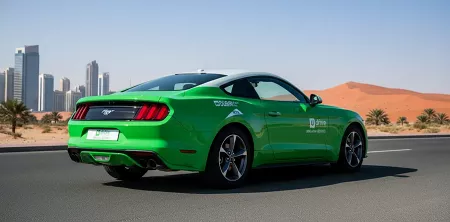
Udrive არის მანქანის გაზიარების კომპანია UAE-ში
იმისათვის, რომ გამოიყენოთ მანქანის გაზიარება Udrive-დან, თქვენ უნდა იყოთ მინიმუმ 21 წლის და გქონდეთ არაბეთის გაერთიანებული საემიროების მართვის მოწმობა ან საერთაშორისო მართვის მოწმობა. ვებსაიტზე მოცემულია მართვის მოწმობების სია, რომლებსაც კომპანია იღებს.

ელიტარული მანქანები კარშერინგში აშშ-ში — ხელმისაწვდომი ფუფუნება
ძვირადღირებული მანქანების გაზიარება, გასული ათწლეულის განმავლოაში, აშშ-ს ავტოინდუსტრიის განუყოფელი ნაწილი გახდა, რაც ფუფუნების მოყვარულებს საშუალებას აძლევს განიცადონ თავიანთი საოცნებო მართვის გამოცდილება ძვირადღირებული მანქანის შეძენის გარეშე.

Traficar — კარშარინგი პოლონეთში ყველა დიდ ქალაქში
კომპანიამ მოღვაწეობა 2016 წელს კრაკოვში დაიწყო. დღეს კომპანია წარმოდგენილია პოლონეთის უმეტეს ქალაქებში და მისი ავტოპარკი 3000-ზე მეტ მანქანას მოიცავს.